Is Finish dishwasher detergent safe for septic tanks?
The Finish website states that its products are biodegradable, phosphate-free, safe for the environment and safe to use in homes with septic tanks. This covers their dishwasher detergent, rinse aid, and dishwasher cleaner products.
What To Check For On Finish Dishwasher Tablet Labels?
When shopping for septic-safe detergents, it’s important to look at the ingredients to make sure that it is safe for your septic system. Our technicians recommend keeping an eye out for:
Phosphate Content
Phosphates are used in some strong cleaning products to help remove food particles and improve overall cleaning. However, too much phosphate entering your septic system disturbs the natural balance of bacteria and can also encourage excessive algae growth. Disturbing the bacteria within your septic tank will have knock-on effects on its performance and will take a long time to reestablish.
For this reason, our technicians recommend choosing low-phosphate or phosphate-free dishwasher detergents where possible. It's a simple way to reduce the amount of phosphorus entering your on-site wastewater system and the surrounding environment.
Biodegradable Ingredients
It’s important when choosing a dishwashing liquid that you look for biodegradable ingredients. This is important since all septic tanks and wastewater treatment systems rely on complex and delicate biological processes to treat your household waste.
Finish states that its tablets use a biodegradable, water-soluble film. Keep in mind that this doesn't automatically mean the entire detergent formulation is suitable for every on-site wastewater system.
It’s worth double-checking the ingredients just to be safe.
Sodium Content
High sodium content in your cleaning products can contribute to problems with your soil in certain land application areas over time. This is especially common where wastewater is being dispersed through the soil.
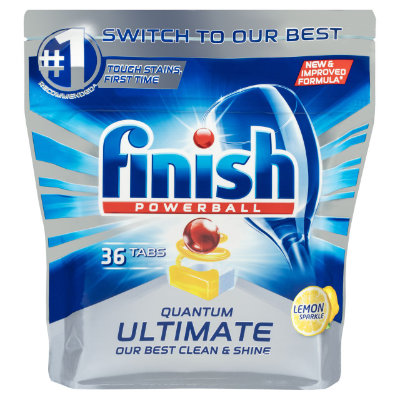
Are All Finish Products the Same?
Finish has several products designed to clean your home’s dishes and help to maintain your dishwasher. These include dishwashing tablets, rinse aid and dishwasher cleaners.
Although they are all used as part of your cleaning routine, they have different purposes and contain different formulas.
Dishwashing Tablets: Contain active cleaning ingredients that help remove food residue, grease and stains.
Rinse Aid: Rinse Aid helps water drain away from your dishes more effectively, reducing water spots and improving your dishwasher’s drying power.
Dishwasher Cleaner: Designed to remove grease, grime and limescale from the dishwasher itself.
Can You Use Finish Dishwasher Detergent With an AWTS or HSTP?
If your home uses an aerated wastewater treatment system (AWTS) or home sewage treatment plant (HSTP), it's worth checking which household cleaning products are suitable.
These systems rely on a combination of mechanical and biological treatment processes to break down household wastewater. Using excessive amounts of harsh cleaning chemicals or disinfectants can affect the biological treatment process.
This doesn't mean you need to stop using your dishwasher. However, it's important to follow your treatment plant manufacturer's recommendations and avoid using more detergent than necessary.
If you're unsure whether a particular Finish product is suitable for your system, speak with your wastewater service provider.
How To Use Dishwashing Detergent When You Have a Septic System?
You can still enjoy the convenience of your dishwasher without damaging your septic tank. Our technicians suggest a few simple habits that make a big difference, like:
- Using the recommended dose: We know this is an obvious one, but overdoing it on the detergent can lead to problems later down the track.
- Scrape food scraps into the bin: Avoid sending large food scraps and grease into your kitchen sink and dishwasher. Not only is it bad for your plumbing, but also your septic system.
- Avoid harsh chemicals: Be careful of how much bleach, antibacterial and other chemicals you use around your house.
It’s also important to remember that your dishwasher isn’t the only way that chemicals can end up in your septic system. Laundry detergent, bathroom cleaners and disinfectants can also contribute to a chemical overload.
Need Advice About Your Septic System In SEQ?
If you are unsure of what home cleaning, clothes washing and dishwasher products can be used with your brand of septic tank or home wastewater treatment system, speak to our team for professional advice on maintaining your septic systems.
References
Dishwasher tablets campaign to eradicate products that arent squeaky clean